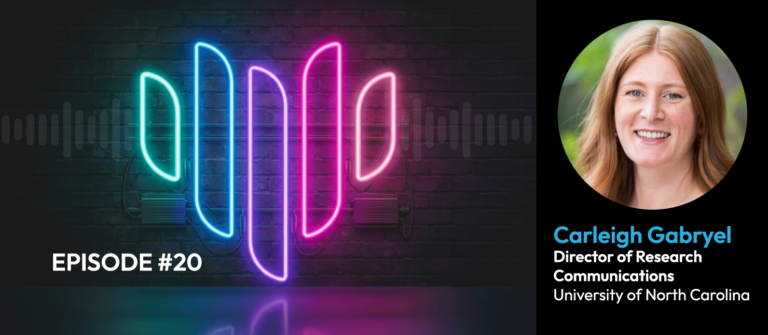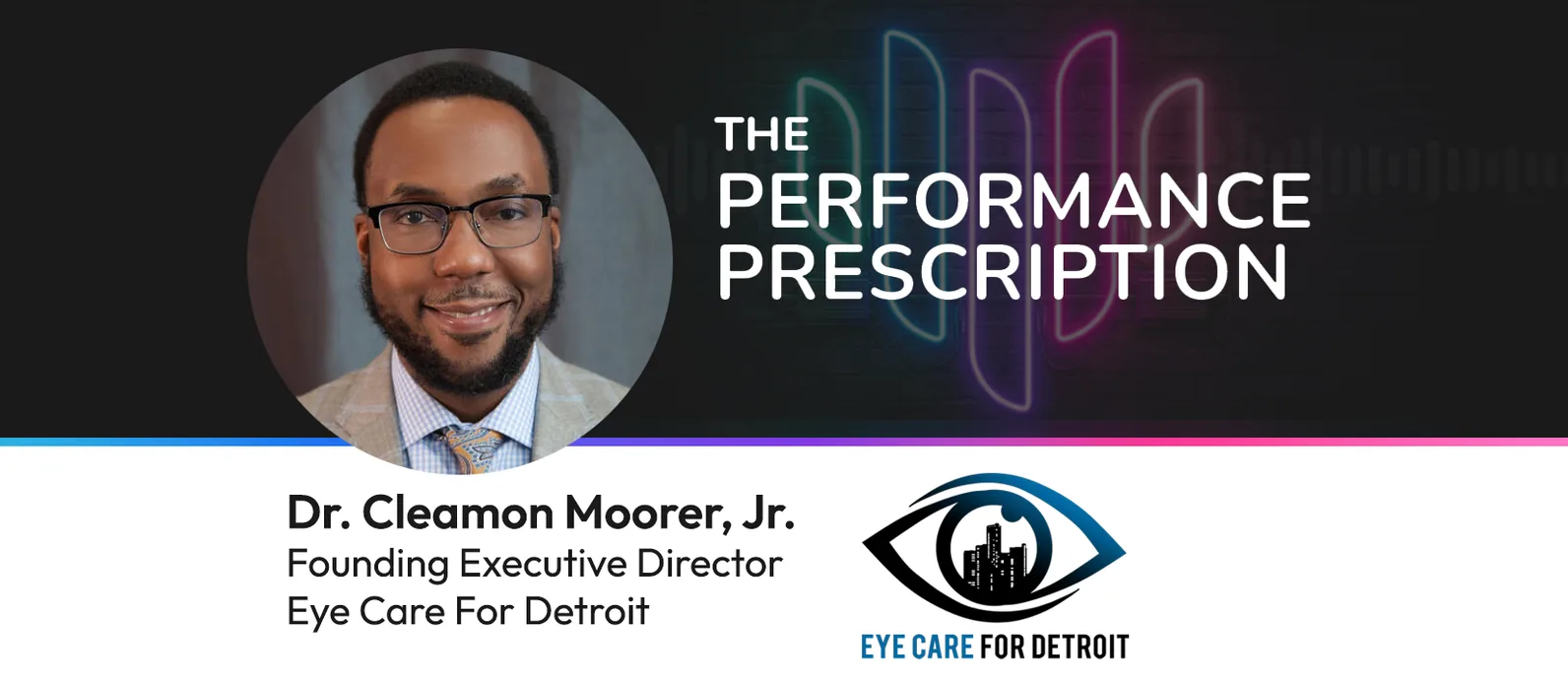
Dr. Cleamon Moorer, Jr., Founding Executive Director of Eye Care For Detroit, joins Preston Smith to explain why vision health is inseparable from overall wellness, especially for seniors and people managing chronic conditions. They explore the barriers that prevent patients from receiving medical eye care, the growing role of mobile and home-based services, and how telehealth, portable diagnostic equipment, and AI could help healthcare organizations meet patients where they are without losing the human connection.
Takeaways
- Vision health can offer early clues about chronic conditions such as diabetes and hypertension, making routine medical eye exams an important part of preventive care.
- Dr. Moorer’s experience with congenital cataracts and restored vision inspired his commitment to bringing eye care to people who might otherwise go without it.
- Access barriers extend beyond cost and include transportation challenges, long appointment waits, insurance confusion, limited caregiver availability, and a shortage of medical eye care in some communities.
- Mobile clinics and home-based services can provide more comprehensive care for homebound patients than retail optical settings focused primarily on eyewear.
- Portable diagnostic equipment and telehealth are creating new opportunities for optometrists and ophthalmologists to evaluate and support patients remotely.
- AI could improve access by assisting with scheduling, insurance-network navigation, caregiver coordination, clinical summaries, and pattern recognition while complementing healthcare professionals.
- Michigan’s legislative support for Eye Care For Michigan demonstrates that expanding access to vision care can attract bipartisan support because it affects children, working adults, seniors, and rural communities alike.
- Meaningful healthcare innovation requires equitable, culturally responsive access to trustworthy information, human support, preventive services, and timely intervention.