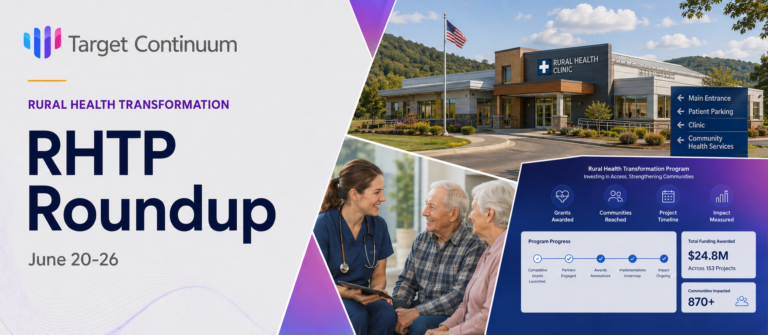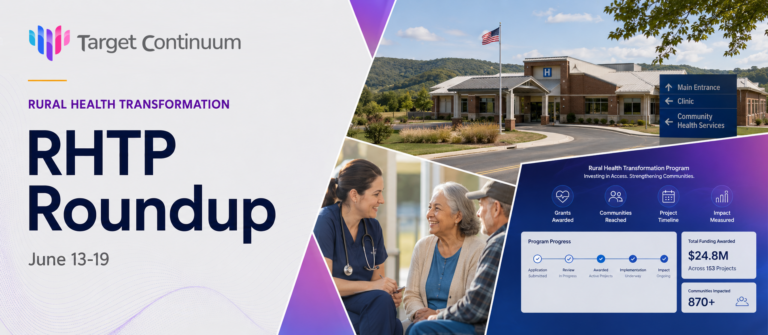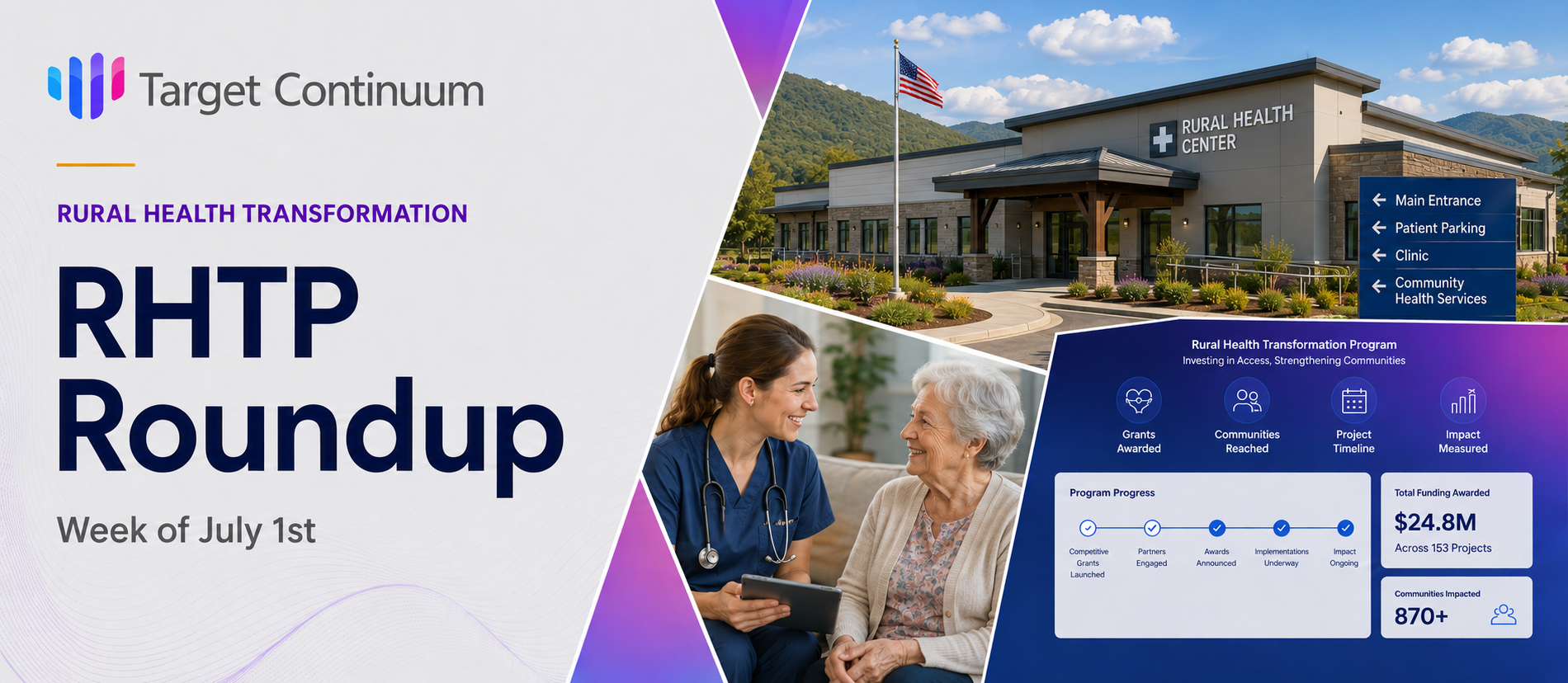
Our roundup of the latest trends that we’re seeing with the Rural Health Transformation Program, and why they matter.
The Big Picture
This week’s developments highlight a growing emphasis on practical implementation, technology modernization, and patient access. More importantly, we’re seeing increasing recognition that successful transformation requires coordination, communication, and community adoption.
For rural health clinics and FQHCs, the challenge now is ensuring that investments translate into measurable improvements in care delivery and patient outcomes.
Here are the developments that caught our attention this week.
Top Headlines
1. Louisiana Opens New RHTP Funding Opportunities
Louisiana’s Department of Health announced additional RHTP funding opportunities, including support for care delivery innovation, infrastructure modernization, workforce initiatives, and collaborative transformation efforts among rural providers.
The funding opportunities continue Louisiana’s efforts to strengthen healthcare access and sustainability across rural communities while encouraging providers to pursue innovative approaches to care delivery.
Why This Matters
Louisiana joins a growing number of states actively moving RHTP dollars into the field. For participating organizations, implementation planning is becoming just as important as the funding application process itself.
Target Continuum Perspective
One of the biggest risks organizations face is focusing entirely on securing funding without developing a strategy for adoption.
Whether the investment supports telehealth, behavioral health, care coordination, specialty access, or preventive care, patients and referring providers must understand how to access those services. The most successful RHTP initiatives will combine operational excellence with strong communication and outreach strategies.
2. Mobile Healthcare Association Highlights Rural Transportation Challenges
A recent discussion shared by the Mobile Healthcare Association focused on transportation and physical access to care being persistent barriers. The post highlighted how innovative care delivery models, including mobile healthcare, community-based services, and decentralized care programs, are helping organizations reach patients who otherwise face significant obstacles accessing care.
Why This Matters
Access remains one of the central goals of the RHTP as many communities continue to struggle with provider shortages, geographic barriers, transportation limitations, and limited specialty access.
Target Continuum Perspective
We’ve seen organizations invest heavily in new programs only to discover that awareness remains a significant barrier. Community education, local partnerships, and patient outreach efforts often determine whether new access initiatives achieve their intended impact.
3. States Continue Prioritizing Workforce Development
Workforce challenges remain one of the most common themes across state RHTP implementation plans. Many recent funding opportunities and planning discussions continue to focus on provider recruitment, retention, training programs, care coordination staffing, and expanded use of community health workers.
Why This Matters
Rural transformation requires a sustainable workforce. Many communities face ongoing challenges recruiting physicians, nurses, behavioral health specialists, and support staff.
Target Continuum Perspective
Workforce development and patient acquisition are more connected than many organizations realize. Healthcare organizations that build strong community trust, communicate their mission effectively, and demonstrate meaningful impact often become more attractive employers as well. A strong reputation benefits both recruitment and patient engagement efforts.
4. Technology Modernization Remains a Core Investment Area
Across multiple states, technology continues to be a major focus of transformation efforts. Funding opportunities increasingly support telehealth expansion, interoperability initiatives, remote patient monitoring, data sharing capabilities, care coordination platforms, and digital infrastructure improvements.
Why This Matters
Technology investments can significantly improve access and efficiency, particularly in geographically dispersed communities.
Target Continuum Perspective
The organizations seeing the greatest success are those that pair technology investments with patient education, provider engagement, and clear communication strategies.
5. Collaboration Continues to Drive Rural Transformation
Another trend becoming increasingly visible is the emphasis on collaboration. Many states are encouraging partnerships among hospitals, FQHCs, behavioral health organizations, public health agencies, community organizations, educational institutions, and technology partners.
Why This Matters
No single organization can address every challenge facing rural healthcare. Successful transformation requires coordinated efforts across multiple stakeholders.
Target Continuum Perspective
This mirrors what we’re seeing throughout the rural healthcare landscape. The most effective organizations are building ecosystems. Strong partnerships create opportunities to improve access, strengthen referral pathways, expand outreach efforts, and ultimately deliver more coordinated care to the communities they serve.
What We’re Watching
Several trends continue gaining momentum across RHTP initiatives nationwide:
- Increased funding opportunities tied to implementation and measurable outcomes
- Greater emphasis on patient access and transportation solutions
- Expanded workforce development programs
- Investments in telehealth and interoperability
- Growing collaboration among providers and community organizations
- Increased accountability around reporting and performance measurement
We expect these themes to continue shaping RHTP activity throughout the second half of 2026.
Rural Outreach Tip of the Week
Include Patient Awareness Metrics in Your Success Plan
Many RHTP projects focus heavily on operational metrics such as staffing, technology deployment, and program launch milestones, but overlook awareness metrics.
Consider tracking:
- Website traffic to program pages
- Community event participation
- Referral volume
- Call center inquiries
- Appointment requests
- Patient utilization rates
These indicators often provide early insight into whether new programs are reaching the populations they were designed to serve.
Final Thought
As states continue investing in workforce development, technology modernization, access initiatives, and collaborative care models, healthcare organizations should be thinking just as carefully about how patients will discover, understand, and engage with these new services.
The organizations that combine strong implementation with strong community outreach will be the ones that generate lasting impact for the rural communities they serve.
Sources
- Louisiana Department of Health – Rural Health Transformation Program Funding Opportunities
- Mobile Healthcare Association LinkedIn Post (transportation and rural healthcare access discussion)
- CMS Rural Health Transformation Program announcement
Looking For Help With Your RHTP Initiative?
Target Continuum takes the administrative and outreach complexity of the RHTP off your plate so you can focus on care. We support rural health organizations with the community-facing layer of RHTP initiatives, including patient outreach, education, engagement, partner coordination, outcome tracking, and reporting.
Ready to learn more? Schedule a conversation with our team. Twenty minutes. No pitch. We’ll listen, learn what your team is working through, and map out next steps that fit your capacity.